


In the ever-evolving world of industrial operations and automotive maintenance, selecting the right lubricant distributor is no longer a simple procurement task—it’s a strategic decision. Whether you’re managing a manufacturing plant, operating a logistics fleet, or overseeing the maintenance of heavy equipment, the right distributor can significantly impact efficiency, equipment lifespan, and cost control. With an overwhelming number of industrial lubricant distributors competing in the market, the real question is: What truly sets a great lubricant distributor apart?
Table of Contents
- 1. Extensive Product Portfolio and Specialization
- 2. Technical Expertise and Application Knowledge
- 3. Reliable and Scalable Supply Chain
- 4. Strong OEM and Brand Partnerships
- 5. Sustainability and Compliance Focus
- 6. Customer-Centric Services and Digital Tools
- 7. Competitive Pricing and Value-Added Support
- FAQs
- Conclusion
Let’s explore the critical differentiators that define exceptional distributors in the modern lubricant supply landscape.
1. Extensive Product Portfolio and Specialization
A reliable lubricant distributor should offer more than just a few brands or categories. They should carry an extensive range of lubricants, including but not limited to:
- High-performance lubricants for heavy-duty or high-temperature applications
- Oil lubricants for automotive and industrial engines
- Bulk lubricants for large-scale operations and storage solutions
A great lubricant distributor understands the unique lubrication needs across industries—be it construction, marine, food-grade manufacturing, or transportation. This means they don’t just sell products; they recommend the right solutions based on specific equipment and operating conditions. Specialized knowledge helps clients prevent equipment failure, reduce downtime, and optimize productivity.
2. Technical Expertise and Application Knowledge
Not all lubricants are created equal. A knowledgeable lubricant distributor doesn’t just provide products—they deliver value through expertise. They should have trained professionals who understand:
- Viscosity grades and OEM specifications
- Compatibility between different lubricants
- Environmental considerations (e.g., biodegradable lubricants)
- Lubrication schedules and predictive maintenance
This technical insight is especially valuable when selecting high-performance lubricants for critical machinery or fine-tuning lubrication practices in high-risk environments. Look for distributors who offer on-site assessments, fluid analysis, and technical support—this reflects a true value-added partnership, not just a transaction.
3. Reliable and Scalable Supply Chain
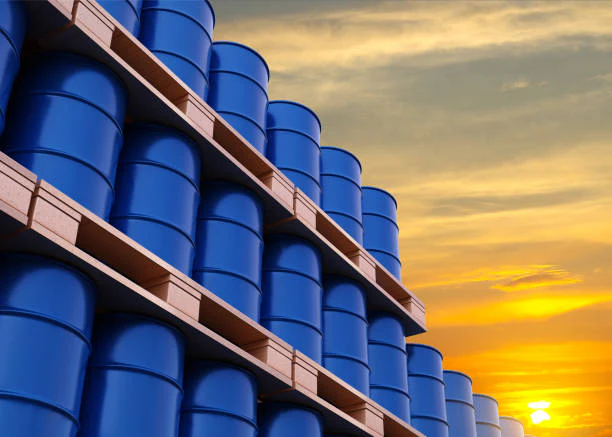
In industries where uptime is paramount, even a small delay in lubricant supply can lead to costly downtime. This is where a great lubricant distributor stands out—they have robust supply chain systems that ensure the timely delivery of both standard and bulk lubricants.
Key characteristics to look for include:
- Local warehousing and distribution centers
- Real-time inventory tracking
- Emergency delivery options
- Flexible packaging (drums, totes, tankers)
- Automated reorder systems for regular customers
The ability to scale supply up or down based on your operational needs is crucial, especially for seasonal businesses or fluctuating production cycles. It also adds convenience and eliminates the risk of last-minute shortages.
4. Strong OEM and Brand Partnerships
The top-performing industrial lubricant distributors work closely with leading lubricant brands and OEMs. These partnerships not only ensure authentic, high-quality products but also provide access to the latest formulations and certifications.
When your distributor is an authorized partner of major brands (like Shell, Mobil, TotalEnergies, or Castrol), you benefit from:
- Guaranteed product integrity
- Access to specialized formulations
- Compliance with manufacturer warranties
OEM-approved oils and lubricants are critical for ensuring equipment longevity, performance efficiency, and warranty validity.
5. Sustainability and Compliance Focus
With rising awareness around sustainability and environmental compliance, a great lubricant distributor takes these issues seriously. They offer:
- Eco-friendly lubricants and biodegradable options
- Proper documentation for waste oil handling
- Support for ISO, OSHA, and EPA compliance
- Guidance on lubricant recycling and disposal
For businesses looking to reduce their carbon footprint or align with ESG goals, working with a distributor that prioritizes sustainability is a must. The right distributor can help you achieve certifications and develop sustainable practices without compromising on performance.
6. Customer-Centric Services and Digital Tools
The modern lubricant distributor goes beyond traditional supply—they embrace technology and service innovation. Look for features such as:
- Online ordering portals
- Real-time tracking and digital invoicing
- Customized lubricant training for staff
- Equipment audits and lubrication route planning
- Lubricant management software
These services not only streamline procurement but also provide insights that help businesses refine their lubrication strategy, reduce waste, and maximize uptime. A great lubricant distributor views your success as their own.

7. Competitive Pricing and Value-Added Support
While price shouldn’t be the sole deciding factor, cost-effectiveness matters—especially for high-volume users of bulk lubricants. Great distributors provide:
- Transparent pricing models
- Volume discounts and contract flexibility
- Technical consultation included with purchase
- Preventative maintenance insights to reduce long-term costs
Distributors that focus on long-term relationships, not just one-off sales, often deliver better ROI over time. They take a consultative approach to help you optimize lubricant usage and reduce unnecessary expenditure.
FAQs
What does a lubricant distributor do?
A lubricant distributor sources, stores, and delivers lubricants to end-users across industries. They often offer technical support, custom solutions, and logistics services related to lubrication.
What industries typically use industrial lubricant distributors?
Industries such as manufacturing, transportation, agriculture, construction, mining, and marine rely heavily on industrial lubricant distributors for tailored lubrication solutions.
Why should I consider buying bulk lubricants?
Buying bulk lubricants reduces per-unit cost, minimizes packaging waste, and ensures an uninterrupted supply—making it ideal for high-consumption operations.
What’s the difference between oil lubricants and high performance lubricants?
Oil lubricants are general-purpose and widely used for engines, while high-performance lubricants are specially formulated to withstand extreme conditions such as high loads, heat, or pressure.
How do I choose the right lubricant distributor for my business?
Look for a distributor with a diverse product range, technical expertise, proven reliability, strong brand partnerships, and a commitment to customer service and sustainability.
Conclusion
In a competitive and evolving marketplace, choosing the right lubricant distributor can have a far-reaching impact on your operational performance and bottom line. From product variety and technical know-how to logistics efficiency and environmental compliance, top-tier distributors are more than suppliers—they’re strategic partners.
Whether you’re optimizing supply through bulk lubricants or seeking reliable technical support, the right distributor is key to keeping your systems running efficiently and safely.
About The Author


