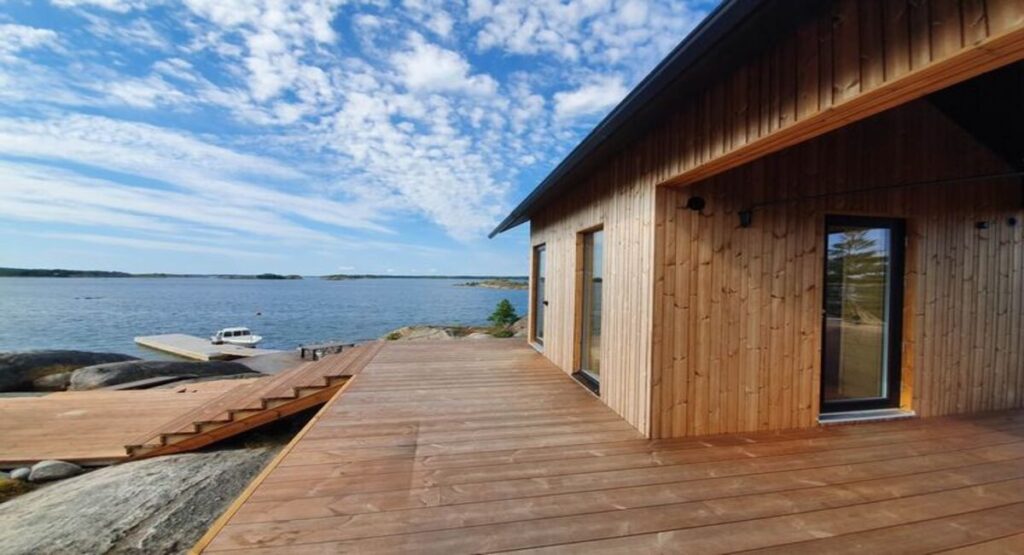
ThermoWood, a highly durable and stable material, is becoming increasingly popular for various applications, particularly in cladding. This article aims to provide comprehensive insights into specifying ThermoWood, highlighting its benefits, uses, and the reasons behind its growing popularity. By understanding these aspects, you can make informed decisions for your construction and design projects.
Table of Contents
Understanding Ayous Wood in ThermoWood Cladding
Ayous wood, also known as Obeche, is a light, versatile timber often used in ThermoWood production. ThermoWood refers to wood that has undergone a thermal modification process, enhancing its durability, stability, and resistance to decay and moisture. Ayous wood, with its fine grain and workability, becomes an excellent candidate for ThermoWood cladding, offering both aesthetic appeal and functional benefits.
The ThermoWood Process
The ThermoWood process involves heating wood to high temperatures, typically between 160°C and 230°C, in the absence of oxygen. This treatment alters the wood’s chemical and physical properties, resulting in enhanced durability, dimensional stability, and resistance to biological degradation. The process can be divided into three main stages:
- Heating Phase: The wood is gradually heated to remove moisture, reducing its equilibrium moisture content.
- Thermal Treatment Phase: The wood is further heated to the desired temperature, causing chemical changes that improve its durability and stability.
- Cooling Phase: The wood is slowly cooled and re-moisturized to achieve the final product.
Benefits
ThermoWood cladding offers numerous benefits, making it a preferred choice for both residential and commercial projects. Here are some key advantages:
Enhanced Durability
The thermal modification process fundamentally alters the structure of the wood, significantly enhancing its resistance to decay, rot, and insect attacks. By removing organic compounds that typically attract fungi and pests, ThermoWood becomes highly resilient. This increased durability ensures that structures using ThermoWood cladding maintain their integrity and appearance over many years, even in harsh weather conditions.
Dimensional Stability
ThermoWood’s thermal treatment reduces its equilibrium moisture content, leading to exceptional dimensional stability. This means the wood exhibits minimal swelling, shrinking, or warping, even when exposed to fluctuating environmental conditions. Such stability makes ThermoWood an ideal choice for exterior applications, where consistent performance and appearance are crucial, ensuring that structures retain their aesthetic and structural integrity over time.
Aesthetic Appeal
ThermoWood cladding preserves the wood’s natural beauty while enhancing its color to a rich, uniform hue through the thermal modification process. This treatment can create a warm, attractive finish that enhances the visual appeal of any building. Its refined texture and grain patterns also offer a sophisticated and elegant look, suitable for both traditional and modern architectural styles.
Environmental Friendliness
The production of ThermoWood involves a chemical-free thermal modification process, making it an eco-friendly alternative to chemically treated wood. The wood used is often sourced from sustainably managed forests, ensuring responsible resource use. Moreover, its increased lifespan reduces the need for frequent replacements, contributing to long-term environmental conservation by minimizing waste and resource consumption.
Improved Insulation
ThermoWood’s reduced thermal conductivity provides superior insulation properties, enhancing the energy efficiency of buildings. This characteristic helps maintain stable indoor temperatures, reducing the need for excessive heating or cooling. Consequently, ThermoWood cladding contributes to lower energy bills and a smaller carbon footprint, making it a practical choice for environmentally conscious construction and renovation projects.

Types of ThermoWood Cladding
ThermoWood cladding is available in various profiles and styles, allowing for versatile design options. Here are some popular types:
Horizontal Cladding
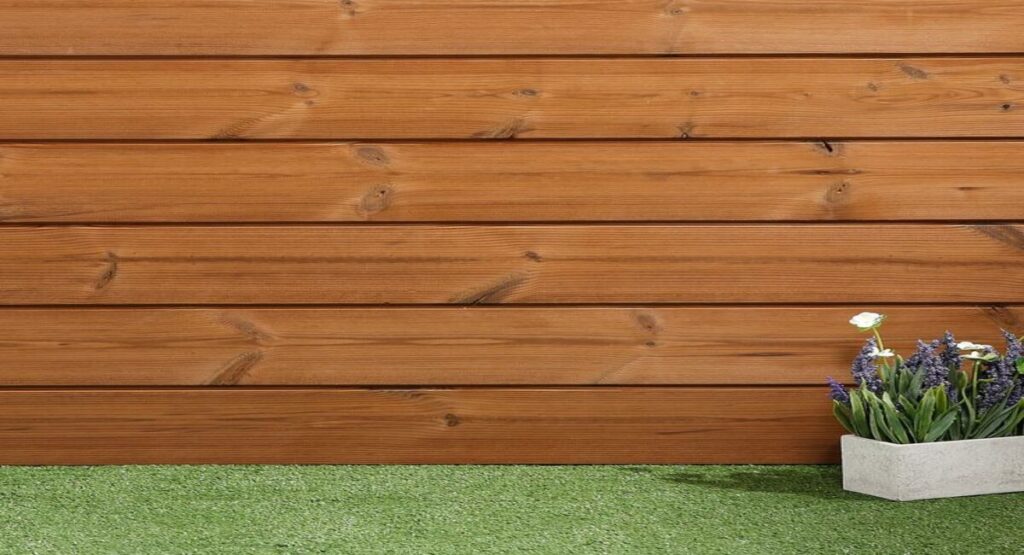
Horizontal cladding involves fixing the ThermoWood boards horizontally across the exterior of a building. This traditional and timeless style offers a classic look that suits various architectural styles. Horizontal cladding provides effective water drainage, making buildings appear longer and more expansive.
Vertical Cladding
Vertical cladding, where the ThermoWood boards are fixed vertically, creates a modern and contemporary appearance. This style can enhance the height of a building, making it look taller and more imposing. Vertical cladding is also effective in shedding water quickly, reducing the risk of moisture damage.
Diagonal Cladding
Diagonal cladding is a less common but visually striking option. By fixing the ThermoWood boards at an angle, designers can create unique patterns and dynamic aesthetics. This style adds a sense of movement and can be used to highlight specific architectural features.
Application and Maintenance
Application
When specifying ThermoWood cladding, consider the following factors:
- Substrate Preparation: Ensuring the substrate is smooth, dry, and contaminant-free is essential for optimal adhesion of ThermoWood cladding. Any debris, old paint, or uneven surfaces should be removed or repaired. Proper preparation guarantees that the cladding will attach securely and uniformly, preventing future issues such as warping or detachment.
- Fixing Methods: For securing ThermoWood cladding, use stainless steel or other corrosion-resistant fixings. These materials prevent staining and ensure the longevity of the cladding. Incorrect or inferior fixings can lead to rust marks, compromising both the aesthetic and structural integrity of the cladding over time.
- Ventilation: Proper ventilation behind ThermoWood cladding is crucial to prevent moisture buildup, which can lead to mold, rot, and degradation. Installing battens or spacers creates an air gap, allowing for airflow and moisture evaporation. This practice extends the life of the cladding and maintains its performance.
- Finishes: Applying a finish to ThermoWood cladding, such as oils, stains, or paints, can enhance its natural beauty and provide extra protection. Finishes offer varying levels of UV protection, preventing the wood from fading or discoloring. Additionally, they can repel water, further protecting the cladding from environmental damage.
Maintenance
Maintaining ThermoWood cladding is relatively straightforward. Here are some tips to ensure its longevity:
- Regular Cleaning: Periodically clean ThermoWood cladding with mild detergent and water to remove dirt, dust, and organic debris. This practice helps maintain the cladding’s appearance and prevents the buildup of substances that can cause staining or deterioration. Avoid using harsh chemicals that might damage the wood’s surface.
- Inspection: Regularly inspect the cladding for signs of damage, wear, or moisture ingress. Look for cracks, splits, or areas where the finish may be wearing thin. Promptly addressing these issues can prevent further deterioration, ensuring the cladding remains in good condition and continues to perform effectively.
- Refinishing: Depending on the type of finish used, ThermoWood cladding may require periodic refinishing to maintain its protective qualities and appearance. Reapply oils, stains, or paints as needed, typically every few years. This practice helps protect the wood from UV damage, moisture, and general wear and tear.
- Repairs: Replace any damaged or warped ThermoWood boards promptly to maintain the integrity and aesthetics of the cladding. Addressing damage early prevents it from spreading to adjacent boards and ensures the cladding remains secure and visually appealing. Use matching materials and finishes for seamless repairs.
Environmental Impact
ThermoWood is an environmentally friendly choice for cladding. The thermal modification process does not involve harmful chemicals, and the wood used is typically sourced from sustainably managed forests. Additionally, ThermoWood’s enhanced durability means that it has a longer lifespan compared to untreated wood, reducing the need for frequent replacements and conserving resources.
Sustainability Certification
When specifying ThermoWood, look for products with sustainability certifications such as FSC (Forest Stewardship Council) or PEFC (Programme for the Endorsement of Forest Certification). These certifications ensure that the wood is sourced from responsibly managed forests, promoting environmental conservation and social responsibility.
Conclusion
ThermoWood, particularly when made from Ayous wood, offers a range of benefits that make it an excellent choice for cladding applications. Its enhanced durability, dimensional stability, aesthetic appeal, and environmental friendliness contribute to its growing popularity. By understanding the types, applications, and maintenance of ThermoWood cladding, you can make informed decisions that enhance the longevity and appearance of your projects.
About The Author