After surgery, cats need a quiet space, careful incision checks, prescribed medications, and limits on jumping or play. This practical guide covers feeding after anesthesia, safer wound care, protective collars, follow-up appointments, and warning signs that require veterinary attention. Discover how Encino cat owners can support a more comfortable recovery while following veterinary instructions.
Recovering from surgery can be challenging for cats, especially when they experience temporary discomfort, reduced activity, or changes in appetite. Proper postoperative care helps protect healing tissues, reduce complications, and support a comfortable recovery. Understanding what to expect allows pet owners to provide appropriate care at home.
Table of contents
For pet owners arranging cat surgery in Encino, understanding postoperative responsibilities is just as important as preparing for the procedure. Recovery requirements depend on the surgery performed, the cat’s age, and its overall health. Following veterinary instructions helps support safe healing and reduces unnecessary setbacks.
Whether a cat undergoes spaying, orthopedic surgery, or another medical procedure, careful monitoring and a peaceful environment are essential. Simple precautions involving wound care, medication, feeding, and physical activity can make recovery more manageable.
Why Is Proper Aftercare Important Following Cat Surgery?
Postoperative care allows the body to heal while minimizing risks such as infection, wound reopening, and unnecessary discomfort. Cats may appear energetic shortly after surgery, but internal tissues can still require additional healing time.
According to the American College of Veterinary Surgeons, following discharge instructions, restricting activity, and monitoring surgical incisions are important parts of recovery.
Owners should follow their veterinarian’s specific recommendations rather than assuming every surgical procedure requires identical aftercare.
Create a Quiet and Comfortable Recovery Space
Cats recovering from anesthesia may experience temporary drowsiness, confusion, or reduced coordination. A calm environment can help prevent unnecessary movement and stress.
Prepare a recovery area that includes:
Soft, clean bedding in a quiet location.
Easy access to fresh drinking water.
A nearby litter box with low sides.
Comfortable room temperature and ventilation.
Limited access to stairs, furniture, and other pets.
Pet owners choosing a vet hospital near them should ask about discharge instructions, postoperative monitoring, and any additional recovery support their cat may need.
Monitor the Surgical Incision Daily
Monitoring the incision helps identify possible complications before they become more serious. Mild redness or swelling may occur initially, but the wound should generally improve as healing progresses.
What Are the Signs of an Incision Problem?
Contact your veterinarian if you notice:
Increasing redness or swelling.
Persistent bleeding or unusual discharge.
Unpleasant odors around the incision.
Separation of wound edges.
Excessive licking or chewing.
Keep the surgical area clean and dry by following the aftercare instructions provided by your pet hospital. Avoid applying creams, antiseptics, or other products unless specifically recommended by your veterinarian.
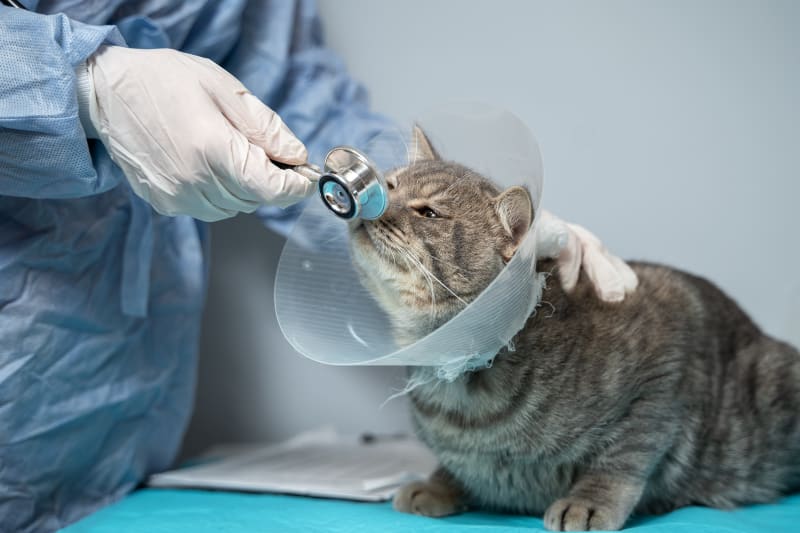
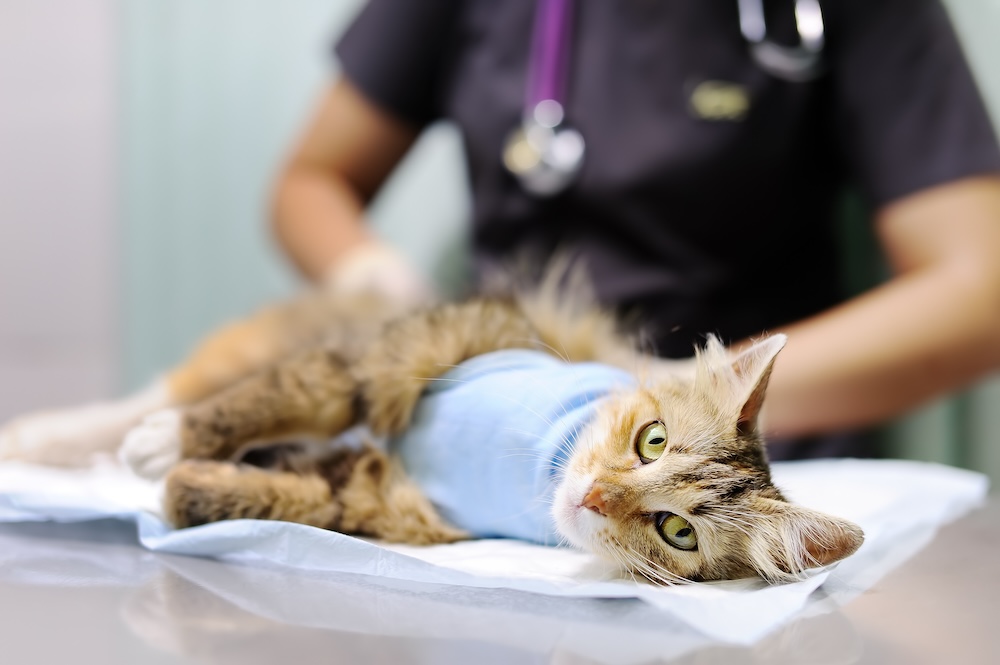
Protective collars or recovery suits may prevent cats from disturbing healing tissues.
Follow Medication and Pain Management Instructions
Cats may experience discomfort after surgery, making prescribed pain management an important part of recovery.
Administer medications according to veterinary instructions, including the recommended dosage and timing. Never provide human painkillers because certain medications can be highly toxic to cats.
Before choosing a provider for veterinary surgery near you, discuss postoperative pain management, medication instructions, and potential side effects with your veterinarian.
Contact the veterinary team if your cat appears unusually distressed or experiences adverse reactions.
“Support your cat’s recovery with professional veterinary care, proper wound monitoring, prescribed medications, and personalized postoperative services for safer healing.”
Help protect your dog’s health at every life stage. Call (818) 922-2209 or visit our website to schedule a vaccination appointment.
Running, climbing, and jumping can place unnecessary pressure on surgical wounds. Veterinarians commonly recommend restricting strenuous activity for approximately 7–14 days, although recovery periods vary by procedure.
Keep your cat indoors and temporarily restrict access to elevated furniture.
For orthopedic or complex abdominal procedures, longer activity restrictions may be necessary. Resume normal activities only when your veterinarian confirms that healing is progressing appropriately.
Support Proper Feeding and Hydration
Anesthesia can temporarily affect appetite and digestion. Some cats may experience mild nausea or reduced interest in food during the initial recovery period.
Follow your veterinarian’s feeding instructions. Smaller meals may be recommended after certain procedures, particularly when nausea is a concern.
Ensure clean drinking water remains accessible and monitor eating habits.
Contact your veterinarian if your cat repeatedly vomits, refuses food beyond the advised recovery period, or shows signs of dehydration.
Schedule Follow-Up Veterinary Appointments
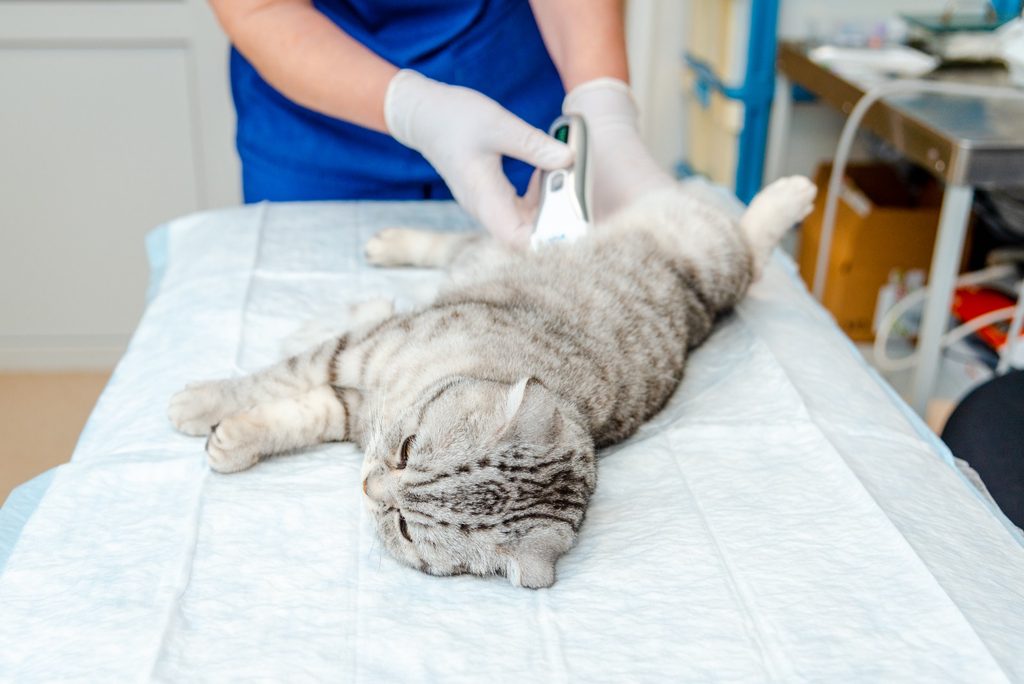
Follow-up examinations help veterinarians assess healing, review medications, and determine whether additional treatment is necessary. When arranging cat surgery near you, ask the veterinary team about follow-up appointments, incision evaluations, and emergency contact options before scheduling the procedure.
Some cats require suture or staple removal, while others have absorbable stitches that do not need removal.
Frequently Asked Questions
How long does a cat take to recover from surgery?
Many routine procedures require approximately 10–14 days of restricted activity, but complex surgeries may involve longer recovery periods.
Can cats lick their surgical incisions?
No. Licking may introduce bacteria, irritate tissues, or reopen wounds. Use veterinary-recommended protective equipment.
Is it normal for cats to sleep more after surgery?
Temporary sleepiness is common following anesthesia. However, severe lethargy, difficulty waking, or worsening weakness requires veterinary attention.
When can cats return to normal activities?
Activity should resume gradually after veterinary approval. Recovery timing depends on the surgical procedure and healing progress.
What symptoms require emergency veterinary attention?
Difficulty breathing, collapse, uncontrolled bleeding, severe pain, or an opened surgical wound require immediate veterinary evaluation.
Conclusion
Successful recovery after feline surgery depends on appropriate rest, medication management, incision monitoring, and consistent veterinary guidance. A comfortable environment and adherence to postoperative instructions help reduce complications and support proper healing.
For cat owners in Encino, preparing for postoperative responsibilities before surgery can make the recovery period easier to manage. Regular follow-up appointments, careful observation, and timely communication with a veterinarian support safer healing and long-term feline well-being.