


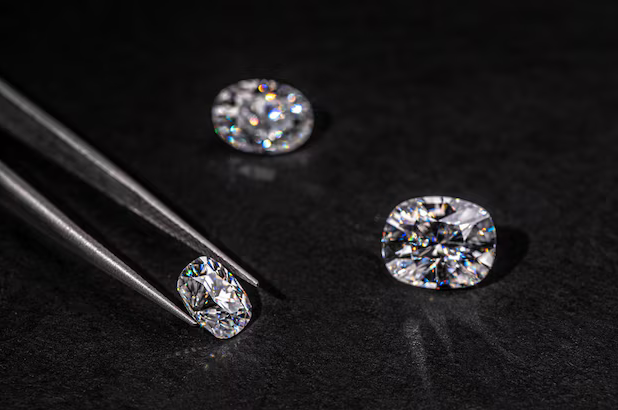
Diamonds have long been cherished as symbols of love, commitment, and luxury. They play a central role in engagement rings and other significant jewelry pieces. However, as consumers become more educated about their choices, the distinction between lab grown diamonds and natural diamonds has garnered attention. In this article, we’ll delve into the key differences between lab grown diamonds and natural diamonds, helping you make an informed decision on which option is right for you.
Table of Contents
Understanding the Basics
Lab Grown Diamonds
Lab grown diamonds, also known as synthetic or cultured diamonds, are created using advanced technology that mimics the natural processes that form diamonds in the Earth. The two primary methods of creating lab grown diamonds are Chemical Vapor Deposition (CVD) and High Pressure High Temperature (HPHT). Both methods result in diamonds that have the same physical, chemical, and optical properties as natural diamonds, meaning they are virtually indistinguishable from the naked eye.
Natural Diamonds
Natural diamonds, on the other hand, are formed over millions of years deep within the Earth’s mantle under extreme heat and pressure. They are mined from the ground and can have a variety of origins, which often influence their ethical implications and environmental impact. While natural diamonds have a storied history and allure, they can also be associated with ethical concerns related to mining practices.
Key Differences
Composition and Appearance
Both lab grown and natural diamonds are composed of carbon and share the same crystal structure. This means that lab grown diamonds can exhibit the same brilliance and fire as their natural counterparts. Many Hatton Garden jewellers and gemologists affirm that lab grown diamonds are chemically identical to natural diamonds, making them an excellent choice for consumers who desire high-quality stones without the ethical and environmental concerns associated with mining.
Ethical Considerations
One of the key benefits of lab grown diamonds is that they are sourced ethically. Lab grown diamonds do not contribute to the issues commonly associated with natural diamond mining, such as human rights abuses, child labor, and environmental degradation. For those who prioritize ethical considerations in their purchasing decisions, choosing to buy lab grown diamonds is a way to ensure that their jewelry is not linked to exploitative practices.
Environmental Impact
The environmental impact of diamond mining is substantial. Traditional diamond mining can lead to deforestation, loss of biodiversity, and significant disruption of local ecosystems. On the other hand, lab grown diamonds have a significantly reduced environmental impact. The process of creating lab diamonds requires less land disruption and produces fewer waste products, making them a more environmentally friendly choice for consumers.
Cost Comparison
When it comes to price, lab grown diamonds generally cost 20-40% less than natural diamonds of similar quality. This price difference allows consumers to buy larger or higher-quality lab grown diamonds without breaking the bank. For many couples, the cost savings associated with lab grown diamonds make them an attractive option when choosing an engagement ring or other diamond jewelry.

Quality and Value
Grading and Certification
Both lab grown and natural diamonds are graded based on the Four Cs: carat, cut, color, and clarity. Reputable organizations such as the Gemological Institute of America (GIA) and the International Gemological Institute (IGI) provide certification for both types of diamonds, ensuring that consumers receive accurate information regarding the quality of their purchase. When buying lab grown diamonds, it’s essential to look for these certifications to guarantee that you’re getting a high-quality stone.
Resale Value
One of the most significant differences between lab grown and natural diamonds is their resale value. Natural diamonds tend to hold their value better in the resale market due to their perceived rarity and historical significance. While lab grown diamonds are becoming increasingly popular, they currently do not have the same resale value. It’s essential to consider this factor when making a purchasing decision, especially if you envision selling or upgrading your ring in the future.
Popular Misconceptions
Misconceptions About Lab Grown Diamonds
Despite their growing popularity, lab grown diamonds are often misunderstood. One common misconception is that lab grown diamonds are inferior to natural diamonds. In reality, lab grown diamonds can be of equal or superior quality and are graded using the same standards. Another myth is that lab grown diamonds lack sentimental value. While they are created in a lab, many couples find that lab grown diamonds carry significant emotional meaning, especially when they align with their values regarding sustainability and ethics.
Misconceptions About Natural Diamonds
Similarly, natural diamonds come with their own set of misconceptions. Some believe that all natural diamonds are ethically sourced, but this is not always the case. The “blood diamond” trade has highlighted serious ethical concerns in certain regions, leading consumers to question the origins of their purchases. Consumers must do their research and ensure that their natural diamonds are sourced responsibly, typically through retailers that provide transparency about their supply chains.
Choosing the Right Diamond for You
Personal Preferences
When deciding between lab grown and natural diamonds, personal preferences play a significant role. Consider what matters most to you: ethical sourcing, environmental impact, price, or resale value. Understanding your values will guide you in making the right choice.
Tips for Making a Decision
- Research: Take the time to learn about both types of diamonds. Understanding the differences in origin, quality, and value will help you make an informed decision.
- Set a Budget: Determine the amount you are comfortable spending. Keep in mind that lab grown diamonds can offer more options within your budget due to their lower price point.
- Visit Retailers: If possible, visit jewellers who specialize in both lab grown and natural diamonds. Seeing the stones in person can help you appreciate their beauty and make a more personal choice.
- Consider the Future: Think about how you might feel about your choice in the long term. If ethical considerations are essential to you, lab grown diamonds may be the best fit.
Conclusion
As consumers increasingly prioritize ethical sourcing and environmental sustainability, lab grown diamonds have emerged as a compelling alternative to natural diamonds. Both options offer stunning beauty and unique qualities, but they come with different ethical implications, environmental impacts, and cost considerations. By understanding the distinctions between lab grown diamonds and natural diamonds, you can make an informed decision that aligns with your values and preferences.
Whether you choose to buy lab grown diamonds or opt for a natural diamond, what matters most is that your choice reflects your love story and personal beliefs. The diamond you select will symbolize your commitment and love for years to come.
About The Author


